Beautiful Plants For Your Interior
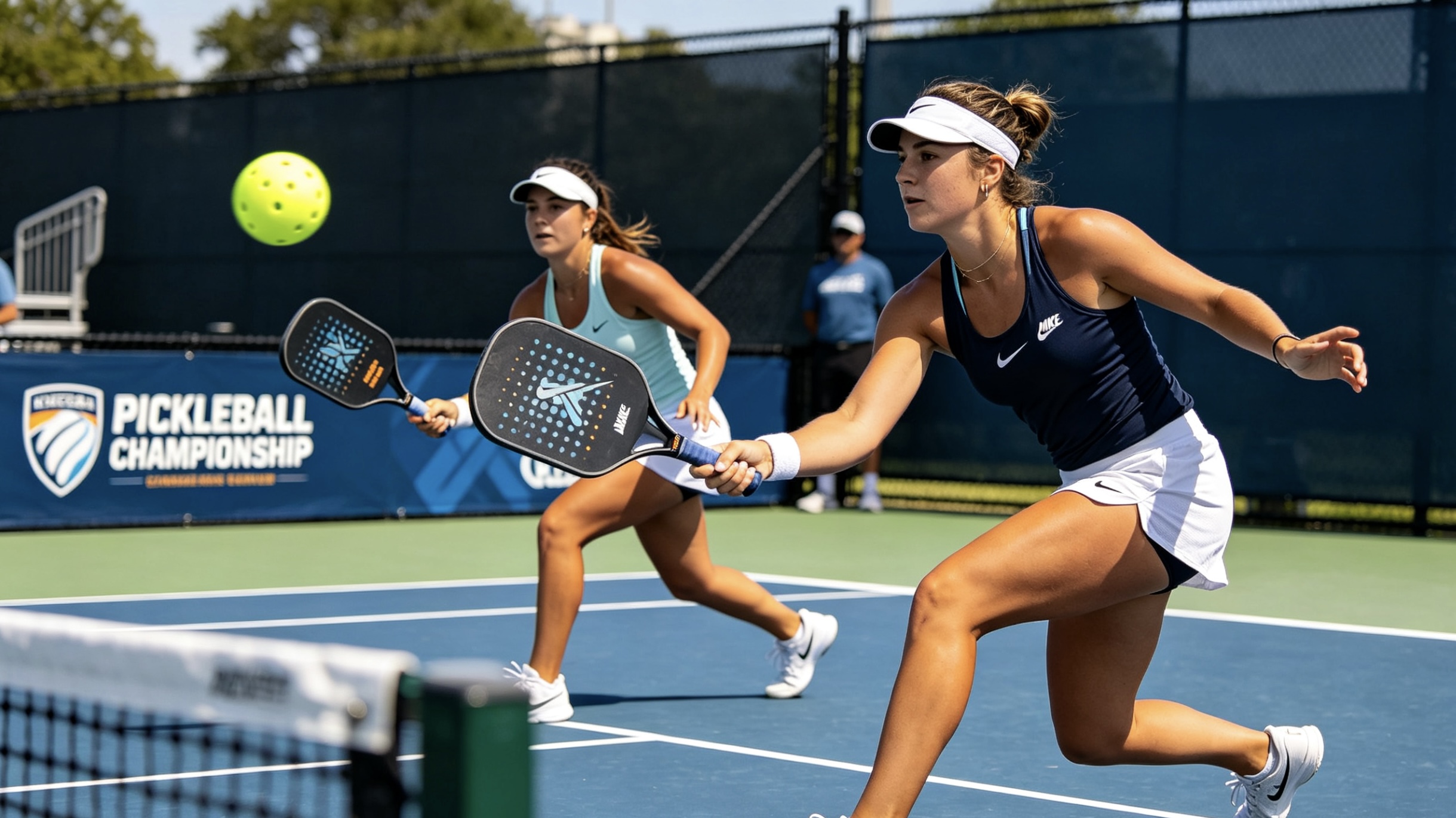
How to Improve Your Pickleball Game as a Beginner: Simple Tips That Work
Pickleball is easy to start, but improving your game takes the right habits and practice. The good news is that beginners do not need complicated techniques to get better. In most cases, steady improvement comes from mastering the fundamentals, building consistency, and making smarter decisions on the court.
If you are wondering how to improve your pickleball game as a beginner, this guide will walk you through the most effective tips. From footwork and paddle control to shot placement and court positioning, these simple strategies can help you play with more confidence and win more points.
Many beginners want to improve quickly, so they focus on power or advanced shots too early. But in pickleball, strong fundamentals usually matter more than flashy techniques.
Players who learn control, patience, and proper positioning often improve faster than players who only try to hit harder. Building a reliable foundation helps you reduce mistakes, stay calm during rallies, and become a more complete player over time.
One of the best beginner pickleball tips is to prioritize control over power. Hitting the ball hard may feel exciting, but it often leads to unforced errors if you do not yet have strong technique.
Controlled shots give you better consistency and make it easier to keep rallies going. As your skills improve, power will come more naturally.
Aim for smooth, balanced shots and focus on keeping the ball in play rather than trying to finish every point quickly.
Good footwork is one of the fastest ways to improve at pickleball. Many beginners rely too much on reaching with the paddle instead of moving into the right position.
Better movement helps you stay balanced, react faster, and make cleaner contact with the ball.
Use small adjustment steps, stay light on your feet, and move early instead of waiting until the ball is too close.
Knowing where to stand is just as important as knowing how to hit the ball. Poor court positioning makes it harder to defend, attack, and support your partner in doubles.
In pickleball, controlling the area near the kitchen line is often a major advantage. Many beginners stay too far back and give up control of the court.
After the serve and return sequence, move forward when possible and work toward stable positioning near the non-volley zone line.
The serve and return start every point, so improving these shots can have a big impact on your game. Beginners often underestimate how important it is to make these first shots reliable.
A deep serve and a controlled return can help you begin the rally in a stronger position.
Practice serving with consistency and aim for depth. On returns, focus on accuracy and keeping the ball deep enough to give yourself time to move forward.
Shot placement is a key part of pickleball strategy for beginners. You do not always need difficult shots to win points. Often, placing the ball well is enough to put pressure on your opponent.
Beginners who only focus on getting the ball over the net miss opportunities to control the rally.
Aim away from your opponent when possible, target open spaces, and try not to give them easy balls to attack.
Many new players want to play every point fast, but soft shots are a huge part of pickleball. Dinks and controlled touch shots help slow the game down and create better openings.
Learning soft control near the kitchen is one of the most valuable pickleball skills for beginners.
Practice short, controlled shots that land softly in the opponent’s kitchen area. Stay patient and focus on placement rather than speed.
Beginners often try to win points too quickly. This can lead to rushed decisions, bad timing, and unnecessary mistakes.
Pickleball rewards patience. Waiting for the right shot is usually smarter than forcing a difficult attack too early.
Stay calm, watch the ball carefully, and build the point step by step instead of rushing every opportunity.
Better paddle control helps with nearly every shot in pickleball. It affects your accuracy, touch, reaction time, and consistency.
If your paddle feels unstable or your shots feel wild, the problem is often not strength. It is control and timing.
Keep your grip relaxed but secure, hold the paddle in a ready position, and practice simple contact drills to improve feel.
If you play doubles, communication can make a huge difference. Many beginner teams lose points because they hesitate, chase the same ball, or leave space open.
Clear communication helps both players move with more confidence and reduces confusion during fast exchanges.
Call the ball early using simple words like “mine,” “yours,” or “switch.” Good teamwork creates more consistent play.
The simplest answer to how to get better at pickleball is to practice regularly. Improvement comes from repetition, awareness, and time on the court.
Even short sessions can make a difference if you focus on the right skills.
Practice your serves, returns, dinks, and footwork often. Repeating the basics builds stronger habits and faster progress.
The equipment you use can affect comfort, confidence, and control. Beginners often improve faster when they use a paddle that feels balanced and easy to handle.
A paddle that is too heavy or too advanced may make learning harder than it needs to be.
Choose a beginner-friendly pickleball paddle with a comfortable grip, balanced weight, and good control. Use the correct balls for indoor or outdoor play depending on your court.
One of the easiest ways to improve your pickleball skills is to observe experienced players. Watching how they move, position themselves, and choose shots can teach you a lot.
You do not need to copy everything right away. Just noticing smart habits can help you make better decisions in your own game.
Pay attention to footwork, patience, shot selection, and how experienced players control the kitchen line.
If you want faster improvement, keep your practice simple and focused. You do not need to train everything at once.
Here are a few beginner-friendly practice ideas:
Small improvements in these areas can lead to much better overall performance.
Some beginners improve more slowly because they make the same habits over and over. A few common problems include:
Avoiding these mistakes will help you build a stronger and more reliable game.
If you want to improve your pickleball game as a beginner, the best approach is to focus on fundamentals, consistency, and smart habits. You do not need complicated strategies to get better. Better control, stronger footwork, smarter positioning, and more patience can already make a big difference.
As you continue practicing, your confidence will grow and your game will become more complete. The more you master the basics, the easier it becomes to play with control, enjoy longer rallies, and develop into a stronger pickleball player.
Beginners can get better at pickleball by focusing on control, practicing regularly, improving footwork, learning proper positioning, and building consistency with basic shots.
One of the most important skills for beginners is control. Good control helps with shot accuracy, rally consistency, and better decision-making on the court.
Practicing consistently is more important than long sessions. Even a few focused practice sessions each week can help beginners improve steadily.
For beginners, pickleball is usually more about placement, control, and patience than raw power.
A beginner-friendly pickleball paddle with balanced weight, a comfortable grip, and good control can help new players improve more comfortably and confidently.
Shop high-quality pickleball gear built for comfort, control, and all-around performance on the court.