Beautiful Plants For Your Interior
How to Choose the Best Pickleball Paddle: A Complete Beginner’s Buying Guide
Choosing the best pickleball paddle can make a big difference in how you play and how quickly you improve. Whether you are completely new to the game or looking to upgrade your current equipment, understanding the key features of a pickleball paddle will help you make a smarter decision.
With so many options available, it can be difficult to know which paddle is right for your skill level, playing style, and comfort. In this guide, we will explain everything beginners need to know about pickleball paddle weight, materials, grip size, core types, and how to choose the best paddle for better control, power, and confidence on the court.
Your pickleball paddle affects nearly every part of your game, including control, power, spin, comfort, and reaction speed. A paddle that is too heavy may feel powerful, but it can also cause fatigue. A paddle that is too light may be easy to handle, but it may not give you enough stability during shots.
For beginners, the best pickleball paddle is usually one that offers a balanced combination of comfort, control, and forgiveness. A well-chosen paddle can help you learn proper technique more easily and enjoy the game more from the start.
One of the most important factors when choosing a pickleball paddle is weight. Most paddles fall into three general categories:
Lightweight paddles are easier to maneuver and are often preferred by players who value quick reactions, control, and less strain on the arm. They are a good choice for beginners who want better handling and comfort.
Midweight paddles offer a strong balance between power and control. This is often the most popular option for beginner and intermediate players because it provides versatility across different types of shots.
Heavier paddles can generate more power, but they may be harder to control and can become tiring during longer matches. These are often better suited for players who already have developed technique and strength.
If you are just starting out, a midweight pickleball paddle is often the safest and most practical choice.
Pickleball paddles come in different face materials, and each one affects performance differently.
Graphite paddles are known for being lightweight, responsive, and easy to control. Many players like them because they feel quick in the hand and provide a consistent touch.
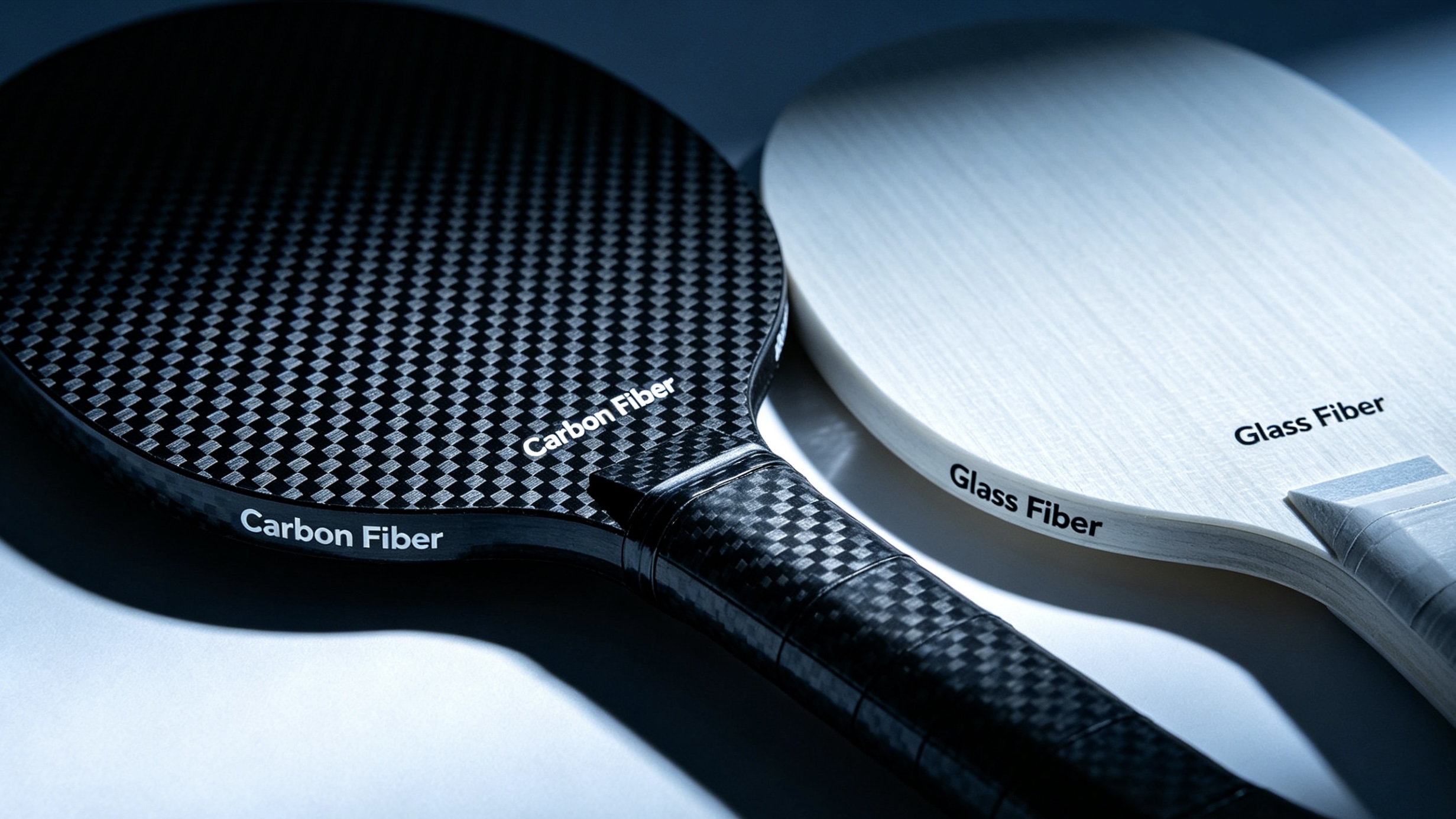
Carbon fiber paddles are popular for their premium feel, durability, and excellent control. They are often chosen by players who want a modern high-performance paddle with strong accuracy and spin potential.
Fiberglass paddles usually provide more pop and power. They can be a good option for players who want a lively feel, although some beginners may find them slightly less forgiving than control-focused paddles.
For beginner players, the best choice often depends on whether you prioritize comfort and control or a more powerful response.
The core of a pickleball paddle affects feel, sound, and performance. Most modern paddles use polymer honeycomb cores, which are popular because they offer a solid combination of durability, soft feel, and control.
A softer core can help with touch shots and reduce vibration, while a firmer core may feel more powerful and crisp. Beginners often benefit from a paddle with a polymer core because it feels comfortable and forgiving during play.
Grip size is another essential factor that many players overlook. If the grip is too small or too large, it can affect comfort, control, and even increase the risk of arm fatigue.
A comfortable grip should feel secure without forcing your hand to squeeze too tightly. Many players prefer a medium grip size because it offers a balanced feel and works well for general play.
If you are unsure, it is usually better to start with a grip that feels natural and comfortable in your hand rather than choosing the thickest option available.
The best pickleball paddle for you depends on how you want to play.
If you prefer accuracy, consistency, and softer touch shots, look for a control-oriented paddle with comfortable handling and a balanced weight.
If you want stronger drives and faster attacking shots, you may prefer a paddle that offers more power and a more responsive face.
If you are still developing your style, choose a beginner-friendly paddle that gives you a balance of control, comfort, and enough power for all-around play.
Some paddles have a wider body shape, while others are elongated. Wider paddles can provide a larger sweet spot, which is helpful for beginners who want more forgiveness on off-center hits.
Elongated paddles may offer extra reach and sometimes more power, but they can feel less forgiving. For most beginners, a standard or wide-body paddle is often easier to use.
Surface texture also matters. A textured face can help with spin and shot placement, while a smoother face may feel more basic and predictable.
Comfort is especially important if you play often or are just starting to build technique. Some paddles are designed to reduce vibration and improve feel, making them more comfortable for long practice sessions and matches.
A paddle that feels good in your hand and does not cause unnecessary strain can help you stay consistent and enjoy the game more. Beginners should not focus only on power. Comfort, control, and confidence are often more important in the early stages.
The best pickleball paddle for beginners is usually one that offers:
Instead of choosing the most expensive paddle, beginners should focus on finding one that feels balanced, comfortable, and easy to control.
Many new players make the mistake of choosing a paddle based only on appearance or price. While design matters, performance and comfort matter much more.
Here are a few common mistakes to avoid:
The best beginner paddle is one that helps you build confidence and improves your consistency on the court.
Choosing the best pickleball paddle does not have to be complicated. Once you understand paddle weight, material, grip size, core type, and overall feel, it becomes much easier to select the right option for your game.
For most beginners, a balanced paddle with comfortable handling, good control, and a forgiving sweet spot is the ideal place to start. As your skills grow, you can always upgrade to a paddle that better matches your playing style and performance goals.
If you are ready to